

You have been told it is your inner ear. You have been told to see a vestibular physiotherapist. So you start looking one up, and every single clinic page says the same thing: enquire for pricing.
Here is what it actually costs in Singapore, how many sessions different diagnoses usually take, and the questions that decide whether a package saves you money or wastes it.
Read this first: this is not a booking question
Call 995 now if dizziness or loss of balance comes with face drooping, arm weakness, speech difficulty, sudden visual loss or a sudden severe headache. These can be signs of a stroke. Sudden hearing loss in one ear, with or without vertigo, needs an ENT within days, not a physiotherapy slot. Early treatment matters, so do not wait for an appointment you have already paid for.
The short version
- Expect roughly S$150 to S$200 a session at private Singapore clinics, with first visits often higher or carrying a separate consultation fee.
- The session price is not the number that matters. Your total depends on your diagnosis, and those differ enormously.
- BPPV, or benign paroxysmal positional vertigo, is often treated in one to three visits. Broader vestibular rehabilitation averages around four to eight.
- Never buy an eight-session package before you know which one you have. That single rule saves more money than any discount.
- Private physiotherapy is generally not Medisave-claimable. Subsidies apply to public institutions via the right referral route, and corporate benefits are the layer that most often helps.
Related reading
What Vestibular Physiotherapy Is, and Isn’t
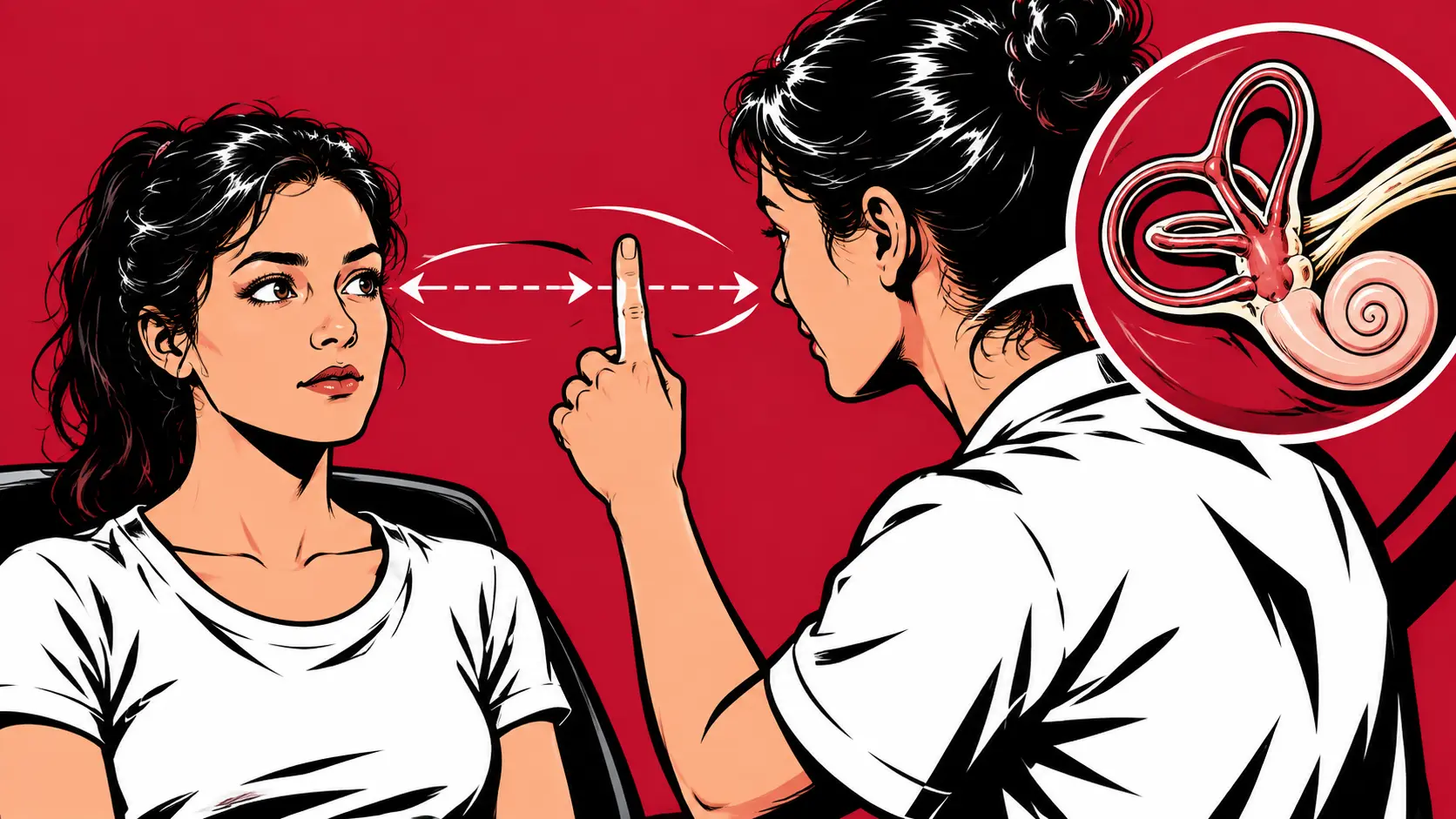
Vestibular physiotherapy treats the balance system: the inner ear, and the reflexes that keep your vision steady while your head moves. A vestibular therapist assesses your eye movements, your balance and your walking, then treats according to what they find.
What it treats
The balance system
- BPPV, where loose crystals in the inner ear cause short bursts of spinning, treated with repositioning manoeuvres
- Vestibular loss after infection or illness, retrained with gaze-stability and habituation exercises
- Unsteadiness and fall risk, retrained with balance work
What it isn’t
Neck treatment
- It is not neck manipulation, massage or structural correction
- It is not a single interchangeable treatment: the BPPV manoeuvre and general vestibular exercises are different things
- It is not the right first stop for everyone who feels dizzy, which is the whole point of the last section of this guide
What It Costs in Singapore
Private clinics that publish their fees generally sit in a narrow band. The examples below are drawn from clinic price pages published in Singapore as of September 2026, presented as ranges rather than attached to clinic names, because fees change and you should confirm yours in writing anyway.
| What you are paying for | Typical published range | What to check |
|---|---|---|
| Vestibular session (private clinic) | S$150 to S$200 | The appointment length. A S$150 slot may be 45 minutes and a S$200 slot 60. |
| First-visit surcharge | Around S$30, or a higher first-visit rate | Whether the headline price already includes it. This is where advertised prices mislead most often. |
| Public hospital rehabilitation | Published as broad fee schedules, not vestibular-specific prices | Ask the institution for an estimate for your actual service, appointment length and subsidy class. |
Why “public hospital” doesn’t answer the price question
Public institutions publish fee schedules that cover consultation, therapy and treatment as one broad category, spanning a very wide range and varying by duration and subsidy status. That tells you almost nothing about what your vestibular appointment will cost. Only an estimate for your specific pathway does.
Where these numbers come from, and who wrote this
- The prices are drawn from fee pages published by Singapore physiotherapy clinics as of September 2026, reported as ranges rather than attributed to individual clinics, because fees change without notice.
- The session counts come from Tan Tock Seng Hospital’s published service estimates, and the clinical guidance from the international BPPV clinical practice guideline and the Vestibular Disorders Association.
- Who we are: Dr Neck Pain is a structural correction clinic. We do not provide vestibular physiotherapy, we do not treat BPPV, and we have no commercial relationship with any clinic whose published fees informed these ranges. This guide exists because patients regularly arrive here having spent heavily on the right treatment aimed at the wrong system, in both directions.
Your Likely Total, by Diagnosis
This is the section the price pages never give you, and it matters far more than the per-session rate. Tan Tock Seng Hospital publishes useful estimates: BPPV is typically treated effectively with repositioning manoeuvres within one or two sessions, though people may attend two to three visits, while its broader vestibular rehabilitation programme averages four to eight treatment sessions depending on the person’s problems.
Apply private session prices to those paths and the spread is stark.
| Likely path | At S$150 a visit | At S$200 a visit |
|---|---|---|
| BPPV, 2 visits | S$300 | S$400 |
| BPPV, 3 visits | S$450 | S$600 |
| Vestibular rehab, 4 visits | S$600 | S$800 |
| Vestibular rehab, 8 visits | S$1,200 | S$1,600 |
Illustrations using published session prices, not quotations. They exclude first-visit fees, doctors’ consultations and any tests.
Do not commit to eight visits before you know whether you have BPPV.
The gap between the top and bottom row above is more than a thousand dollars, and it is decided by diagnosis rather than by negotiation. If the assessment finds BPPV and a package of eight is still proposed, ask why. If it is something else, ask what the programme is meant to improve and when progress will be reassessed.
Before You Buy a Package
A discount per visit is not a saving if the visits expire unused. Ask these before paying anything up front, and ask for the answers in writing.
- What diagnosis are you treating?Not “dizziness.” A named condition, and how it was determined.
- How many visits do you recommend for that, and when is the plan reviewed?A plan with a review point is a plan. A block of ten with no review is a product.
- What is the per-visit price with and without the package?You need both numbers to know what the discount actually is.
- What is included?Assessment, repositioning manoeuvres, home exercises, reassessment. Find out whether the assessment counts as one of your sessions.
- Do unused visits expire, transfer or refund?If your BPPV clears in two visits, what happens to the other six?
- What happens if the first treatment doesn’t work?The answer should involve reassessing the diagnosis, not simply using up the next prepaid session.
Medisave, Subsidies and Insurance
Three different things get confused here, and conflating them is how people end up with an unexpected bill.
| Route | How it actually works |
|---|---|
| Medisave | Covers specific approved outpatient uses. Routine private outpatient physiotherapy should not be assumed to be claimable. Check the exact bill and scheme with the treating institution rather than relying on a clinic’s general reassurance. |
| Subsidies | Means-tested subsidies apply to public specialist outpatient care and depend partly on your referral route, for example through a polyclinic or CHAS GP. They are not a discount you can apply to a private clinic’s price. |
| Insurance and corporate benefits | Usually the layer that actually helps in private care. Ask your insurer four things: is outpatient physiotherapy covered for this diagnosis, is a doctor’s referral required, does this clinic or therapist qualify, and is there a per-visit or annual cap. |
One more check worth two minutes: you can verify a physiotherapist’s registration and current practising certificate on Singapore’s Allied Health Professions Council register before you book.
Not sure which assessment to book?
If your dizziness is triggered by head position, book a single vestibular assessment session rather than a package, and read the questions above before you pay for anything. If it tracks instead with a stiff neck and desk work, and the ear has already been checked, the section below on when this isn’t the right first stop is the one to read.